
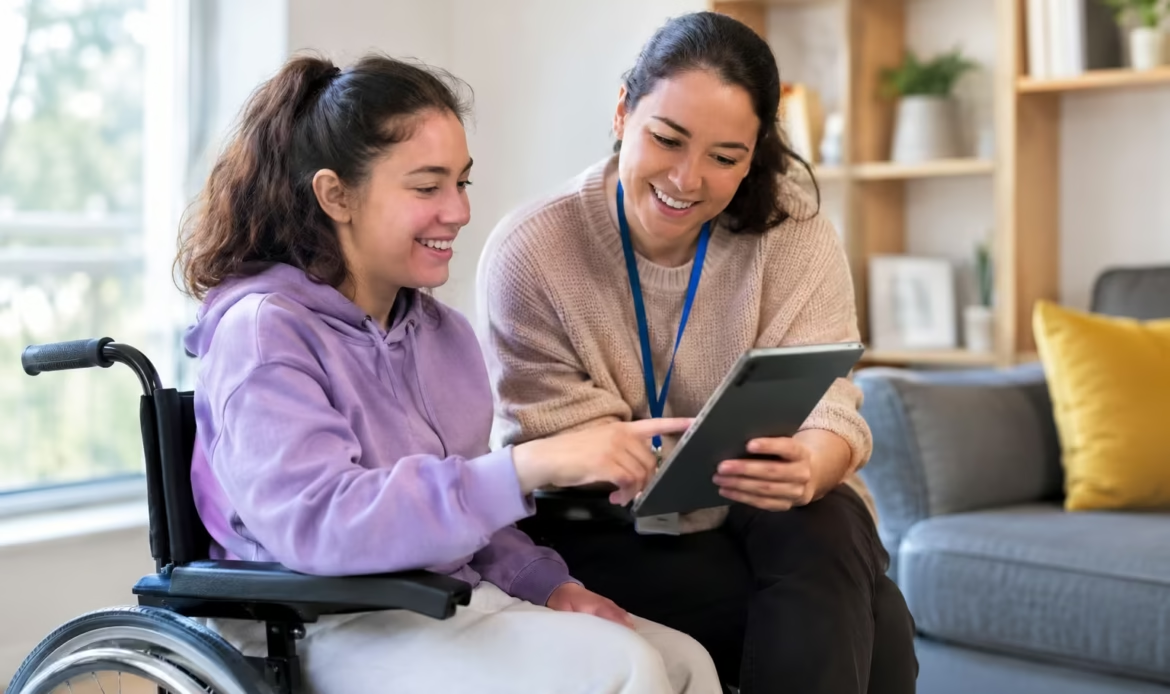
In 2026, we simply cannot deny the fact that technology has a big influence in our daily lives. The domain of disability care is not an exception to it too. If you are a NDIS participant, a parent of a person with a disability, or a carer, you probably have used some types of new tools in your daily routine. A good NDIS service provider in Australia can let know the better use of those tools. Also, they can match them well with your goals.
Here is a simple guide to let you know what is new in 2026.
Why Technology Matters So Much Now in Disability Care
Most of us think that technology is just about a smart phone or a laptop. But for a person with disability, it is more like ‘necessity’ than ‘luxury’. It can be a medium of their communication such as talking, movement and learning. Besides, there are many AI driven tools which make sure they stay ‘safe’. That is why AI has grown so fast in disability care.
It would be wrong to think those as only some kind of gadgets. These are more like a choice, dignity and a way to take control over their own life to them.
Smart Homes and Daily Living
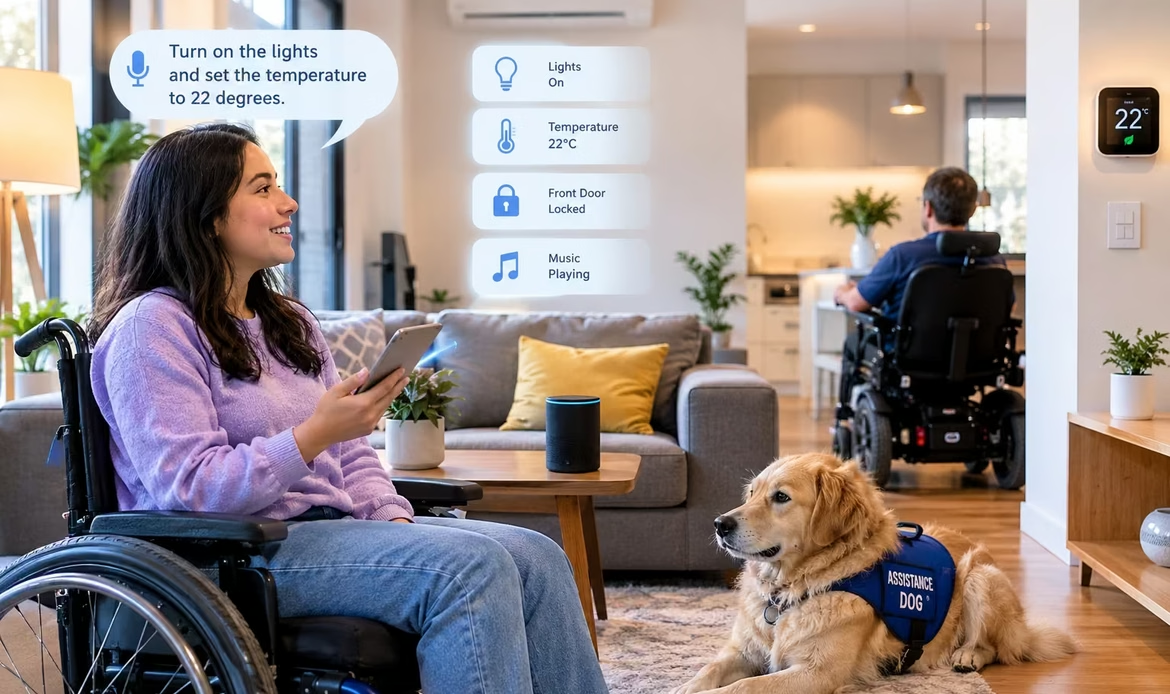
Smart home devices are now quite common. With this, you can turn on/off lights, open doors or adjust the temperature of your home with just your voice. Besides that, a smart speaker can remind you to take your medicine or call a family member in an emergency. All these are very helpful feature-rich tools for the people with disability (mostly for the ones with physical disability).
Wearable devices are also beneficial. They can detect a fall, check your heart rate and send an alert to a carer/family member in an emergency situation. All these can also reduce the workload of a support worker and give them sufficient time the replenish themselves.
AI for Communication and Learning
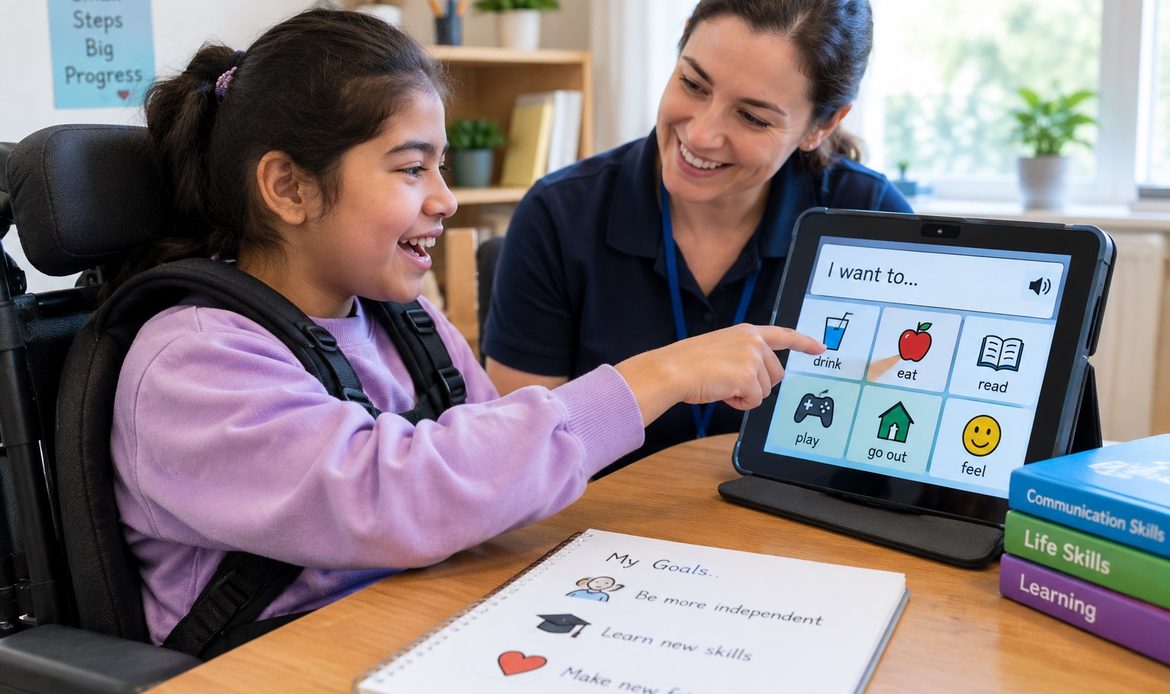
To be honest, AI has made speech and language tools much upgraded. Speech-to-text apps can turn your spoken words into clear text within seconds. Besides, other communication apps can predict the word you want to say. It also can auto correct any speech into right texts. This makes the job a bit easy for a carer of person who is having speech therapy.
For a person who is non-speaking, such tools can be utterly helpful. Students here can also get reading support tools/application which would adjust itself to their pace.
Robotics and Mobility Tools
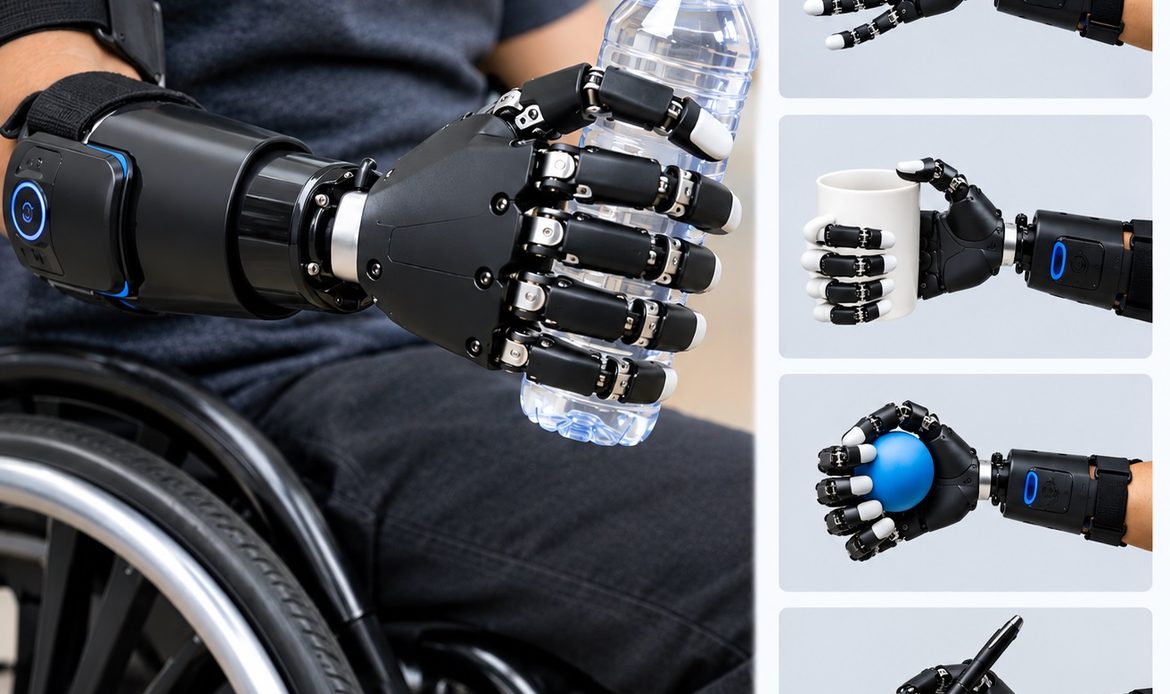
Mobility aids have also evolved much in 2026. You can use smart wheelchair which can carry a person with mobility issues through a safe path avoiding obstacles in the way. Besides, there are some walking aids for you which will adjust to your pace and to the type of ground under you.
For those people who are having sensory issues in their arm, robotic arms are here for aid. It can lift a cup or a spoon for you, which would give you more freedom at meal times.
Yes, all such tools are still new, and are expensive too. However, with more usage, prices are getting dropped each year. So, we can hope that affordability will not be a great issue in upcoming years.
Telehealth and Remote Support
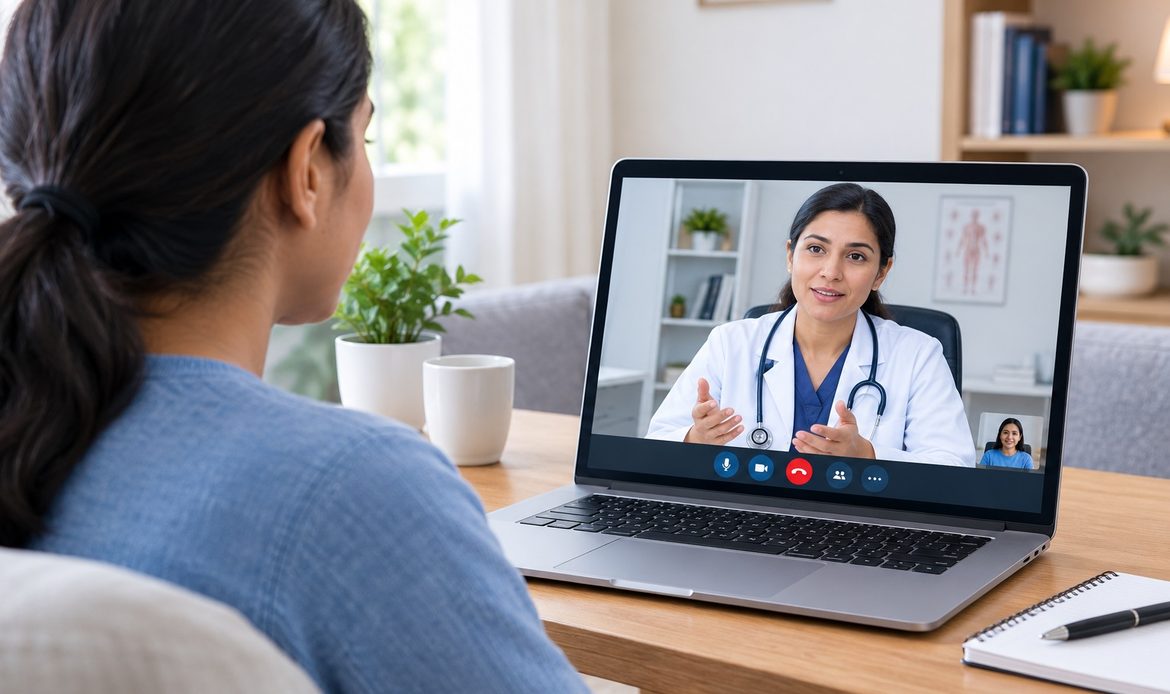
Nowadays, you do not always need to conduct a tiresome travel to see a therapist. Video sessions are quite common now (especially after COVID19). They can really be very useful if you live far from town or your disability somewhat makes a long travel troublesome.
Here, through a video call from the online platforms like Google Meet, Facebook, WhatsApp or from dedicated telemedicine apps like Hola Health, HotDoc or Coviu, your therapist can consult with you instantly.
Thus, you get regular support and less stress.
Smarter Planning and Safer Care
Care teams now use digital notes and data to see what is working good for a person with disability. Thus, your plan can be reviewed with real facts, not just on guesses. Some systems even can detect a change in your routine, such as poor sleep or missed meals and they can send ‘alert’ your health care team early.
How to Choose an NDIS Service Provider That Uses Technology Well
Not every tool is right for every person. Here is what you should check first:
- Does the tool match your goals and your NDIS plan?
- Is your personal data safe and private with that particular app?
- Will you and your support team get proper training?
- Is there a real person you can call if something goes wrong?
A good NDIS service provider will always give clear answers to these questions without any issue. They will also be honest that technology is a tool, not a replacement for human care. It is very true that a warm voice and a kind face can never be replaced by a machine.
Limits and Risks You Should Keep in Mind
Obviously, technology has its limits. Some tools can be very costly. Most of them need a strong internet connection to operate (which may not always be available). Some others tools and technology can be a bit hard or complicated to use at first.
So, it would be wise to start with one or two tools and see how you fast can adapt to those. When you feel okay with those, you can always add more afterwards.
Quite often, it happens that people buy a device and never use it, mostly because nobody showed them how. If you are a NDIS participant, you should ask your NDIS service provider to show you each step before you decide.
How ZedCare Ability Services Can Support You
At ZedCare Ability Services, weclearly know that technology has to be fitted in your life to get the best outcome. As a leading NDIS service provider in Sydney, our team will first listen to your goals and only then suggest you such tools that would go perfect with your specific condition.
They will explain each option in plain words, give you proper training and stay in touch to see that it is working. Your privacy, your choices and your comfort will always come first. If you need an NDIS service provider in Sydney who values both people and progress, ZedCare is here for you. You can contact the team today to talk about your plan and to find out which smart tools would be right for you.
FAQS
Can AI replace my support worker?
No. AI is a useful tool for sure, but it cannot replace human care, its warmth and judgement ability.
Are smart devices covered by the NDIS?
Some assistive technology can be funded if it is linked to your goals and is reasonable and necessary to you. It is best to check your plan.
Is my personal data safe with these tools?
Generally, most approved and renowned apps are safe. Still, it is good to check your phone’s privacy settings and make it strong before you use.
Do I need to be good with technology to use these tools?
Not at all. Most tools are simple, and your provider should give you training to operate it.
How do I know which tool is right for me?
Start with your goals. A good provider will suggest tools that match your needs and then review them with you.