
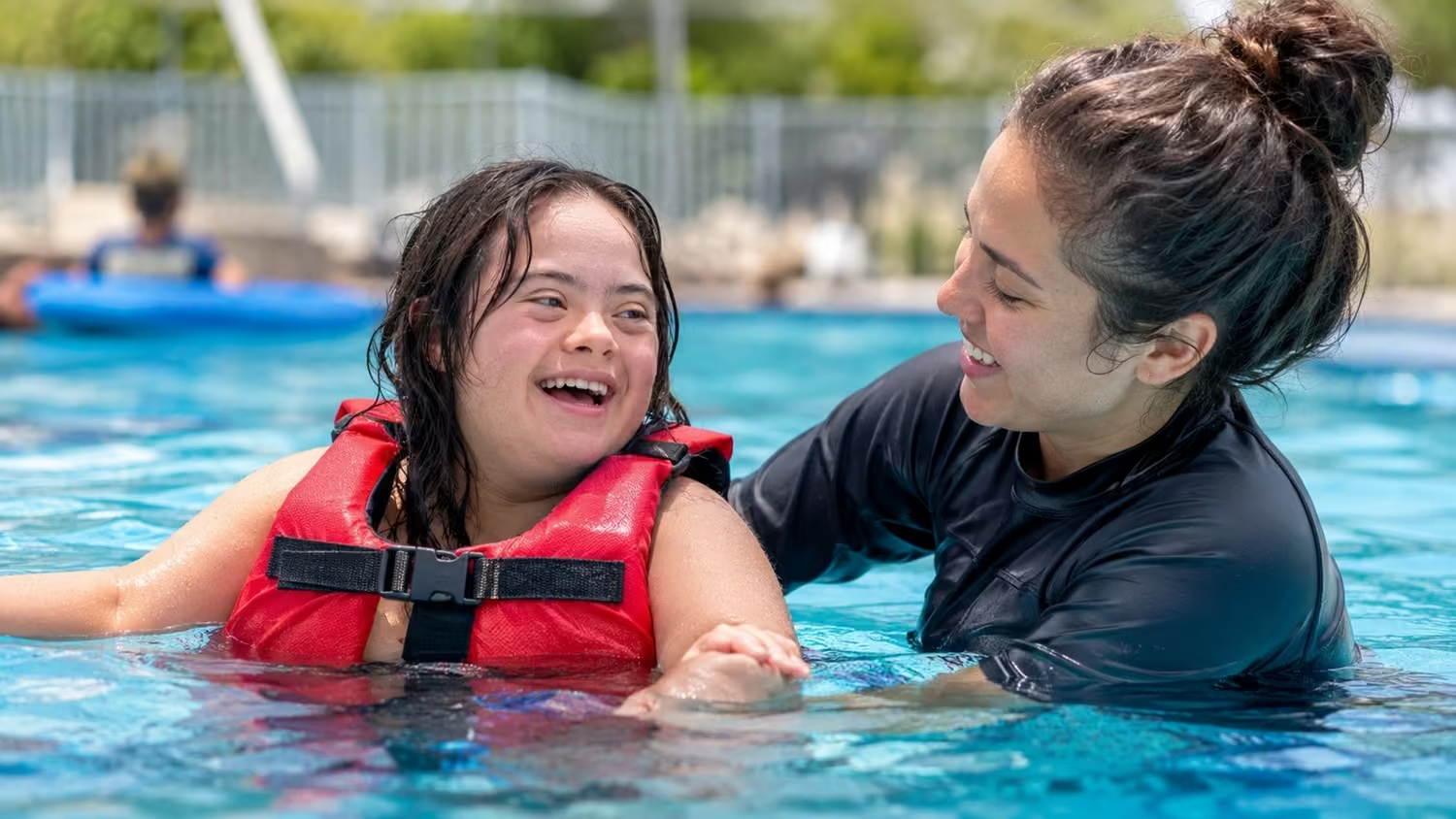
Yes, summer in Australia is almost here. Obviously, it will be a very busy season at the beach and the pool for sure. If you care for a person with disability, or you yourself have a disability, it would be better that you make your water plan before the first hot weekend. Here, a registered NDIS service provider in Sydney can be a strong part of that plan as they have experience and the local knowledge.
Yes, water activities are fun. Sometimes, it is actually very good for the body too. However, before you plunge in, here is what you should know before the holidays arrive.
Why Water Needs Extra Care
To most of us, a quick dip in the water looks not much of an issue. But it is also very true that things can just change in seconds. Besides, the risk factor is generally high for some people with disability.
For example, conditions like epilepsy, autism, low muscle tone or limited movement can make it harder for the persons to stay safe in water. Her, some people also do not have much sense of danger. Others may be a bit drowsy in the heat mostly because of their ongoing medication.
Royal Life Saving Society Australia publishes a drowning report each year, and it from it, we came to know that pools, rivers and beaches – all these areas need our close attention. Quite often, an accident occurs almost in a second, when an adult just got his/her eyes away for a very short time.
That is why constant and close supervision is the first rule when you are with a person with disability at such places.
So, Know Your Risk Factors First
Obviously, every person and their abilities are different, so you need to clarify some of the importing things first
- Does he/she have seizures, or a heart or breathing condition?
- Can he/she follow a spoken or visual instruction near water?
- Is there a habit of running off or entering water without warning?
- Will heat, sun or medication have an effect on him/her?
If you are taking your loved person with disability for a summer trip, first you need to talk with his/her GP, occupational therapist or physiotherapist. Obviously, they knowthe health history of the person concerned here. So, they will be able to tell you the current health condition of the person if he/she will cope with the water trip.
Choose a Registered NDIS Service Provider in Sydney with Water Experience
You should not just assume that every support worker has water training. So, here is what you should check:
- Current first aid and CPR certificates
- A valid NDIS Worker Screening Check
- Experience with your type of disability
- A clear plan for pool and beach outings
- A safe number of staff for each person in the water
Besides this, a registered provider has to meet the NDIS Practice Standards and have regular audits. If they are, that would be an extra assurance for you. If you want, you can search for providers on the NDIS Commission website. Also ask what will happen if a worker is sick or absent on that particular day. It is better to know everything early.
Swimming Lessons and Water Skills
It a fact that there is no age limit to learn anything. Many pools in Sydney offers lessons for children and adults with disability. Mostly these classes are small and calm. Here, you can look for teachers who have AUSTSWIM or Swim Australia qualifications.
Warm-water pools, which are often used for hydrotherapy, can be good on joints and muscles. Here you can ask your physiotherapist if that would be a good fit for you.
We know, funding is also a common question that comes in mind. Some lessons or therapy possibly be linked with your NDIS plan goals. However, it still will depend on your active plan.
You can confirm this with your plan manager, support coordinator or the NDIA before you go on to book.
Summer 2026 Safety Tips You Can Use
- Book early
This is because most lessons and support workers usually get busy in December and January.
- Pick a patrolled beach
Swim between the red and yellow flags, and ask the surf club if they have a beach wheelchair or matting.
- Check your pool fence
There are strict rules for the backyard pool’s fences and gates in NSW. So, you need to have a look at yours too.
- Use a well-fitted lifejacket
if he/she is a weak swimmer, always use a suitable and well-fitted life jacket. Make sure it meets the Australian Standard.
- Plan for heat
Have shade, a hat, sunscreen and plenty of water. Some medications can make you more sensitive to heat.
- Practise first
For a child with autism, a visit to the pool at a quiet time is a good option. A picture story of the steps is quite useful.
- Know your emergency steps
Unwanted mishaps can still happen (in spite of much alacrity). So, learn about CPR and apply if it is needed. Besides, a short first aid course would be a very good idea.
How ZedCare Ability Services Can Support You
ZedCare Ability Services is a registered NDIS service provider in Sydney. As one of the local teams in Sydney region, we would be glad to talk with you about a safe water plan for this summer.
We are eager to listen to your goals, your worries and the needs of your family member. We then will plan each outing with you, – all step by step.
You can ask us about support workers who knows first aid and CPR training. Besides, they are trained to response in a clear emergency situation and offer safety to the person with disability (NDIS participants). Yes, it is best to get in touch early, as summer places fill up quite fast.
FAQS
Is it safe for a person with epilepsy to swim?
Mostly, it can be. But obviously you need a clear plan for this. You can speak with your GP first. Besides, there should be someone as an adult guide close to that person with disability during swimming.
Will the NDIS pay for swimming lessons?
Generally, swimming does not automatically come under NDIS funding. It mostly depends on your NDIS plan and your goals. That’s why it is better to check this with your plan manager or support coordinator before you book a session.
What I need to ask a provider before a water outing?
You canask about first aid training, staff numbers and the emergency plans etc. Besides, try to know form them what will happen if the weather suddenly changes.
Is a lifejacket a good idea?
Obviously, it is especially for a weak swimmer. You should choose a well-fitted one which meets Australian Standards. However, someone for close supervision should still be there always.
When is the best time to visit the pool?
Although there is no particulartimeto visit the pool, still, early morning or a quiet weekday can be a good option. This is mostly because at that time the pool will be cooler, calmer and easier on the senses.